
I'm caring for someone
Can a nursing home make me pay my parent's bill?
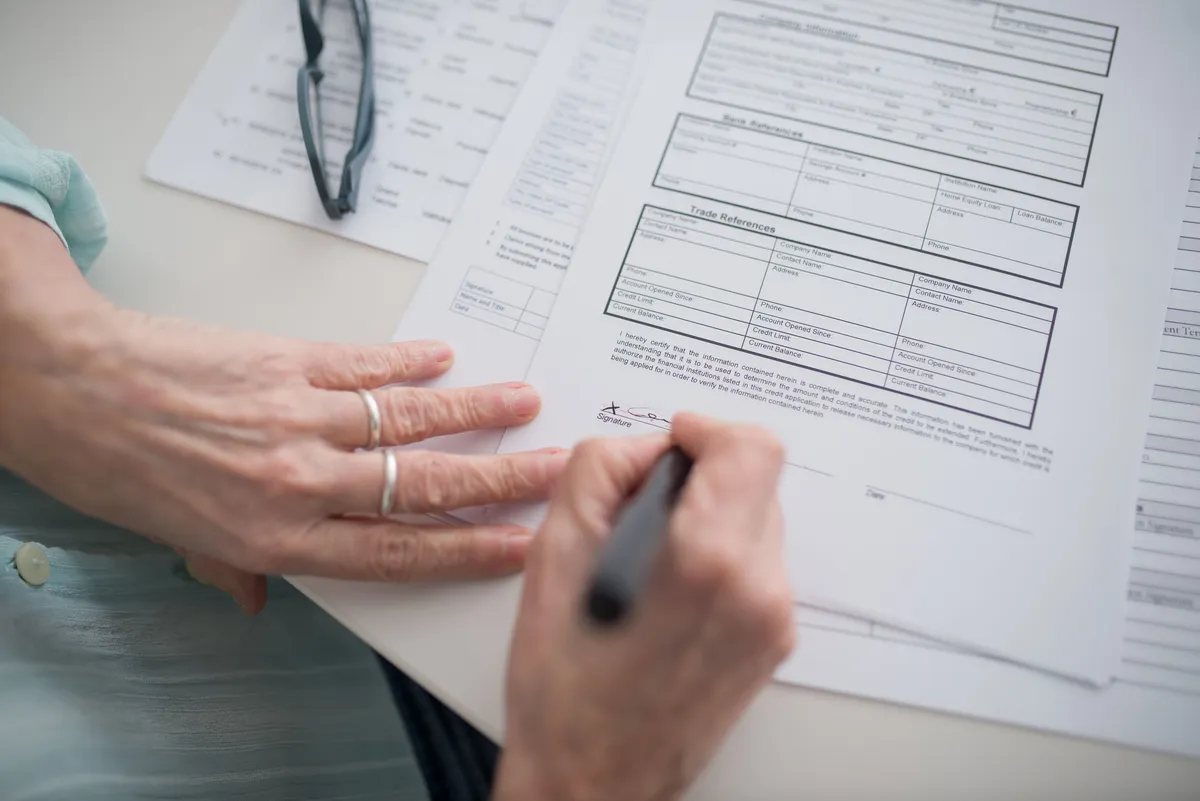
Photo: Kampus Production / Pexels
Usually not. Most nursing homes accept both public and private insurance, and the federal rules for homes that take public insurance say they can't make you guarantee your parent's bill. Signing as their representative means paying from your parent's money, not your own. If money is tight, there are many ways to get help.
What to do
- Read what you signed. Look for the words 'guarantor', 'personally liable' or 'responsible party', and note which line your name is on.
- Before you sign an admission contract, ask to remove any line that makes you pay from your own money. The nursing home can't make that a condition of your parent moving in or staying.
- If a bill arrives in your name, ask in writing for an itemized statement and a copy of the contract page they say makes you liable.
- Call your state's Long-Term Care Ombudsman, a free advocate for residents and families. If a debt collector contacts you, you can send a complaint to the Consumer Financial Protection Bureau (CFPB).
Many ways to get help paying
If your parent may need help covering the cost, there are more options than most families expect: private insurance, including long-term care insurance if they have a policy; public insurance programs; benefits for veterans and their spouses; and state programs for people with limited income.
Before admission, ask the nursing home's business office which of these it accepts and what happens if your parent's money runs out. Your local Area Agency on Aging can also tell you what help exists nearby.
What to say
I signed as my mother's representative, to pay from her income and savings. I did not agree to pay from my own money. Please send me the itemized bill and the page of the contract you are relying on.
Send it in writing and keep a copy. A phone call leaves no record.
What to watch out for
This is a sensitive stepSmall details here can change the outcome, and some mistakes are hard to undo. We highly recommend a free 15-minute call with us before you decide.
Paying from your own savings because the bill has your name on it. Once it's paid, it's hard to get back. If you handle your parent's money, keep records that show it went to their care.
Better done together
We’re here to help
Nursing home paperwork is long, and one signature can mean more than you think. We help you read it before you sign, and understand what you are agreeing to and what you aren't.
Every situation is different, and these are sensitive moments, so we look at yours with care. We often see what others miss, and we never take commissions from insurance companies: the only thing we are working for is what is right for you.
Free · 15 minutes · No pressure
The rule behind it
Under the federal rules for nursing homes that take public insurance, a facility may not request or require a third-party guarantee of payment as a condition of admission or of a continued stay. It may ask a representative who has legal access to the resident's money to sign a contract to pay from the resident's income or resources, without personal financial liability. In 2022 the CFPB and the federal agency that oversees nursing homes warned that collecting these debts from caregivers can also break federal debt collection and credit reporting law. Assisted living is regulated by each state, so these federal nursing home rules don't automatically apply there.
Sources
- 42 CFR 483.15 — Admission, transfer and discharge rights (nursing homes)
- CFPB — Know your rights: Caregivers and nursing home debt
- CFPB Circular 2022-05 — Invalid nursing home debts
- National Long-Term Care Ombudsman Resource Center — find your ombudsman
- The admission contract you signed
Amanda Alcodia
Education, not medical, legal or insurance advice.
Useful next steps
Start with the free Kit. If your situation needs a person, the intro call is free too.